Oil traders got the headline. Bond traders got the memo that matters more.
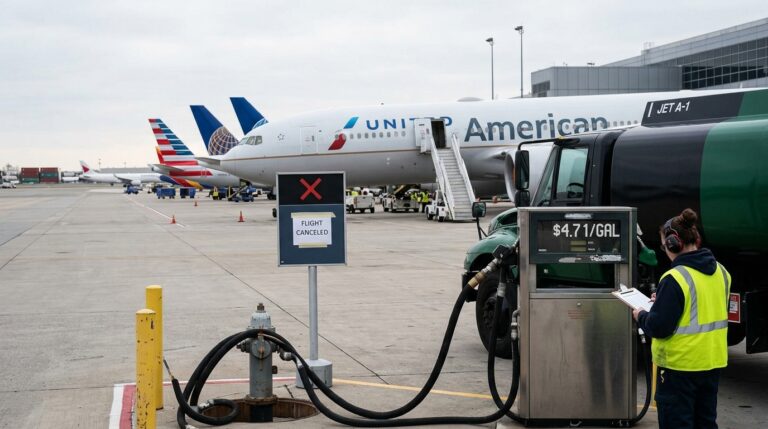
Oil prices jumped Monday in Asia trading after President Donald Trump rejected an Iranian peace proposal aimed at ending the Middle East conflict and reopening the Strait of Hormuz. WTI for November delivery rose about 2% to around $94 a barrel, while Brent climbed above $107. That reverses the entire peace-trade that sent crude sliding through last week’s UN General Assembly talks.
Trump’s exact words Saturday, departing the White House: “They made a proposal, but I rejected it. They want to make a deal where they open the strait immediately because they’re losing so badly.” Over the weekend, the Saudi-led coalition said it intercepted two Houthi drones headed toward Riyadh and a ballistic missile aimed at the Khamis Mushait area. The combination, a diplomatic door slammed shut and Saudi Arabia’s capital under fire, removed any residual doubt about where this conflict stands.
Stock futures fell early Monday following last week’s winning session, with Nasdaq-100 futures leading the declines. Treat those numbers as secondary. The primary signal is in fixed income.
The Inflation Trade Is Back in Charge
The 10-year Treasury yield held near its highest level since 2007, with borrowing costs climbing as elevated oil prices and resilient U.S. economic data fuel inflation concerns and strengthen expectations that the Fed may tighten further. Traders are pricing in roughly a 70% chance of a rate hike at the October 28 FOMC meeting, based on Fed funds futures pricing. The effective federal funds rate currently sits at 3.88%, consistent with the Fed’s 3.75% to 4.00% target range.
This is the correct frame for today’s move. Brent above $107 is not just a supply shock; it is an inflation input that arrives exactly as the Fed is already in hiking mode. Every dollar Brent adds from here is a constraint on equities that compounds through yields, not just sentiment.
The war has severely restricted energy shipments out of the Middle East, sending oil prices soaring and raising concerns about accelerating inflation globally. WTI and Brent are both sharply higher year to date. Those year-to-date gains are already embedded in core goods prices. Another leg higher does not need to be large to matter for October CPI.
Where the Opportunity Sits
The highest-conviction trades off this morning’s move are not in crude itself.
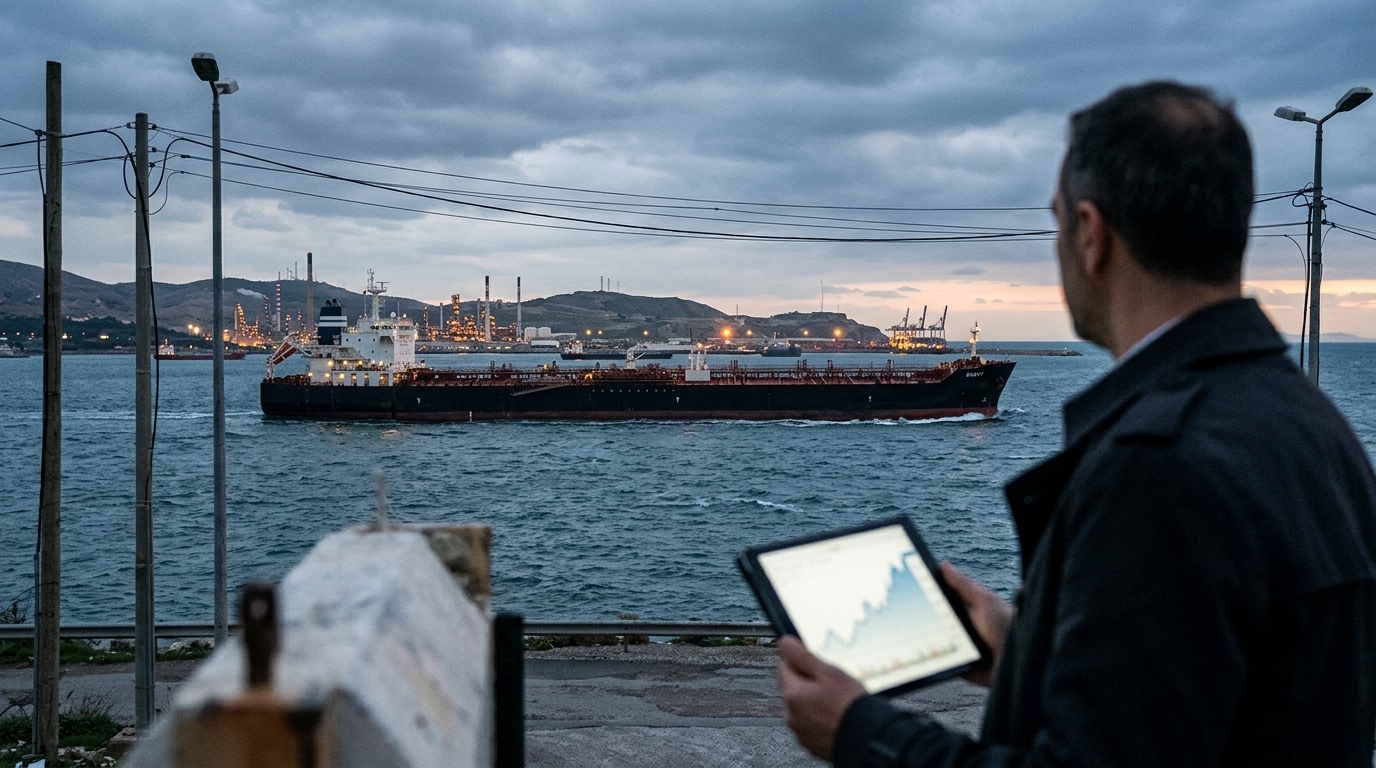
Tankers over producers. The cost of chartering a Very Large Crude Carrier supertanker on the Persian Gulf-to-China route has pushed through $1 million per day, up about five times from levels seen before the U.S.-Israeli war with Iran began in late February. Last week’s peace rumors drove tanker stocks lower. Trump’s rejection restores the supply disruption that has made FRO and DHT among the best-performing names in the market this year. The thesis is simple: longer rerouting distances, tighter VLCC supply, rates that reset daily to the geopolitical risk. Friday’s selloff in tankers was the entry; this morning’s news is the catalyst that makes it actionable.
XOM and CVX as inflation hedges, not oil plays. Shares of Chevron and Exxon tend to catch a bid in episodes of sharp crude escalation. Both names benefit doubly here: upstream margins expand with Brent, and their balance sheets are substantial enough to absorb any equity multiple compression from higher yields. That durability matters when Nasdaq futures are down close to 1%.
Avoid the broad index long. A rise in oil prices weighed on equity futures in early trading, with Brent trading above $105. SPY faces a specific headwind today: higher yields compress growth multiples while energy inflation eats consumer spending. The asymmetry favors energy-sector exposure over broad-market exposure until the yield picture stabilizes.
Risk Dashboard
Trump told Axios the conditions Iran wants are something Washington might have agreed to about a year ago, and that Tehran has overplayed its hand, though he added he expects negotiations to resume this week even after rejecting the latest proposal. That ambiguity is itself a risk: any credible signal of resumed talks could move crude $4 to $6 lower in a session, reversing the tanker and energy trade sharply. Investors now await the Fed’s preferred inflation gauge and key U.S. jobs data due this week, which could provide further clues on the path of monetary policy. A hot PCE reading reinforces the rate-hike path and extends the yield pressure on equities. A soft number complicates it.
Trader’s Action Plan
The core position today is long the inflation consequence, not just the commodity. FRO and DHT offer the purest expression: tanker rates reset to spot, and spot just got a significant tailwind. XOM and CVX belong in any portfolio that needs energy exposure with lower day-to-day volatility. Keep SPY exposure trim until the 10-year yield gives back some of this morning’s move. Monitor any White House statement on resumed Iran talks; that is the single fastest catalyst to reverse today’s trade.