
The number that matters most from Project North Star is not $60 billion. It is 10%.
Anthropic has offered Blackstone a 10% coupon on $9 billion of the $18 billion junior tranche in its $60 billion Project North Star chip financing, the Financial Times reported, citing people familiar with the negotiations. After new-issue discounts and fees, the total return rises above that level. For a credit committee at Blackstone, the question is not whether 10% is generous. The question is what they are actually underwriting to earn it.
The answer is more complicated than a chip lease.
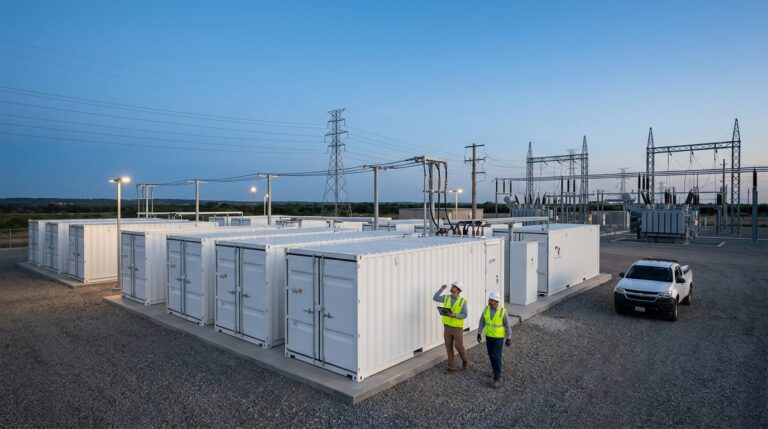
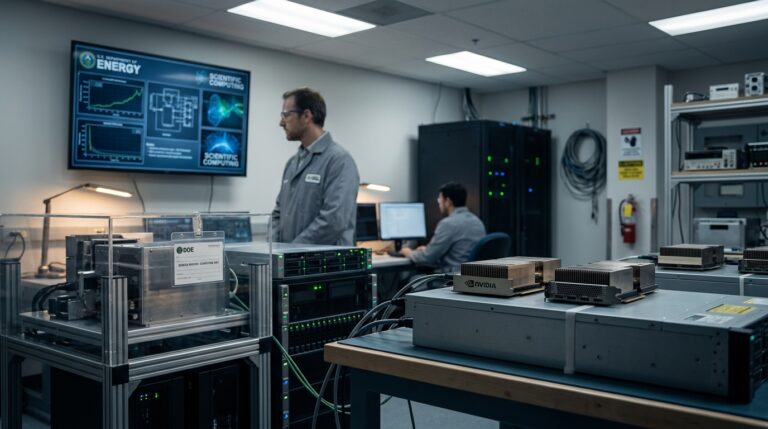
Project North Star will help Anthropic acquire approximately 1.5 gigawatts of Google’s custom tensor processing units, amid fierce competition among AI developers for computing capacity. Anthropic is not writing a check for the chips outright. Instead, investors fund chip purchases through a special-purpose vehicle that owns the hardware and leases it back to Anthropic. Junior debt sits underneath senior lenders and absorbs losses first, which is precisely why Blackstone’s slice is priced at 10%.
The senior structure is where this turns from “asset-backed” into “vendor-supported.” Broadcom is arranging the financing, and reporting around the deal has described Broadcom support that can include a deficiency guarantee and a residual-value backstop that protects senior noteholders if lease cash flows or chip sale proceeds fall short. The junior does not get that comfort. It carries Anthropic’s own credit more directly.
Anthropic received a credit rating one notch below investment grade from KBRA in June 2026, and the new junior debt is expected to receive a similar assessment. Reporting around the rating process said Anthropic provided revenue figures and internal performance projections to rating analysts, but free cash flow and EBITDA were not included in the disclosure. Analysts had to rely on assumptions and their own estimates, using a risk-score approach in place of a traditional full financial model. A credit committee underwriting nine billion dollars on that basis needs a compelling reason. The 10% coupon is that reason, but the yield trajectory is the warning.
Project Big Sky, a separate Anthropic chip financing completed earlier in 2026, included junior debt that was marketed at 8.5%. The 10% on Project North Star is 1.5 percentage points above that level and roughly 3 points above the roughly 7% that BB-rated issuers have been paying in public bond markets recently, as reflected in ICE BofA’s BB US High Yield index. The latest terms indicate investors are demanding higher risk premiums to finance the rapid AI build-out, while technology groups are accepting steeper costs to secure large commitments and anchor backers. Each sequential deal resets the reference point for the next one.
Blackstone is not simply collecting yield. Reporting on the talks said Blackstone pitched partners on the idea that Anthropic-linked debt could become cheaper if the company ultimately reaches investment-grade credit and reduces borrowing costs after a public listing. The trade is a bet on Anthropic’s IPO compressing spreads, not a bet on Google TPU residual values. Those are two very different underwriting theses, and only one of them is secured by hardware.
That distinction matters for the stocks most exposed to this structure. Broadcom’s support around the senior tranches is what makes that paper financeable at meaningfully lower rates than the junior. If Anthropic’s compute demand grows as projected, the ambition behind all this borrowing is scale: Broadcom has said its AI XPV platform with Apollo and Blackstone is designed to enable more than 20 gigawatts of compute capacity through 2028 for leading AI labs, including Anthropic. Every additional tranche tests whether private capital can keep clearing at yields that the underlying cash flows can service.
Stocks to Watch
- Blackstone (BX): A prospective anchor lender on the junior tier of Anthropic’s compute debt. Its credit funds collect the headline yield now; the real payoff arrives if an Anthropic IPO compresses the spread and makes the position easier to trade at par or above in institutional credit markets.
- Broadcom (AVGO): Has been described in reporting as providing support that can include residual-value and deficiency protections on senior tranches in earlier Anthropic compute financings, helping lower senior borrowing costs versus the junior. Without Broadcom’s support, the entire stack costs more.
- Alphabet/Google (GOOGL): The TPU supplier and the cloud counterparty. If Anthropic’s lease payments flow, Google gets paid as the compute provider. Its strategic interest in Anthropic’s solvency is not incidental.
- Apollo Global (APO): Led the initial $35 billion financing tranche Broadcom announced for its AI XPV platform, in partnership with Blackstone. If this debt class scales, Apollo’s role in structuring and distributing these vehicles becomes more important.