
The week of October 12 is one of the most data-dense stretches of the year, and Thursday is its climax. At 8:30 AM, PPI, retail sales, and jobless claims hit in the same window, alongside the Philadelphia Fed manufacturing index. That is not a normal morning. It is the Fed’s last clean read on the consumer and the production pipeline before the October 28-29 decision, and traders who wait for the prints to act will be a step behind.
The case for retail sales is complicated. August retail and food services came in at $773.9 billion, up 1.2% from July. Consensus for September is just +0.3%, a sharp deceleration. Higher gasoline prices should provide a lift to the headline, with pump prices rising by roughly 30 cents during the month, but that boost is likely to be partially offset by softer auto sales and some payback in non-store retail spending following distortions tied to Amazon Prime Day timing.
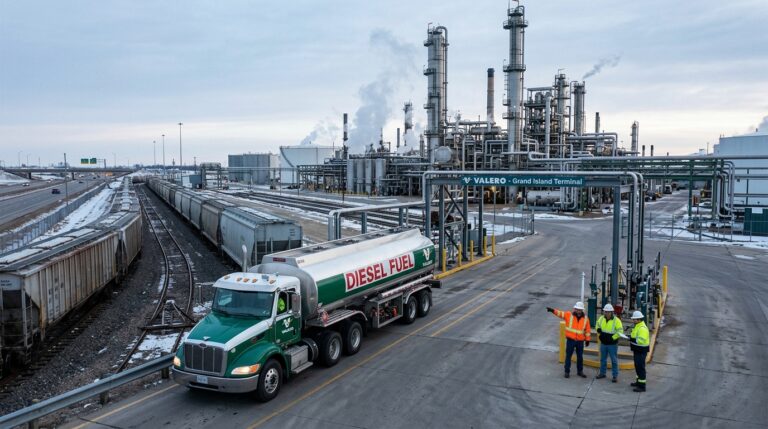
The real-spending picture is grimmer. The headline number will be reported in current dollars, unadjusted for prices. The national gas average reached $4.37 per gallon on October 6, up 39.4% from a year earlier. Diesel averaged $6.32 per gallon on October 6, up 71.7% from $3.68 a year ago. Because diesel is a key input across shipping, farming, and manufacturing, higher fuel costs can filter into consumer prices for groceries and household goods in the months ahead. A consumer spending $50 more to fill a tank has less left for Home Depot and Costco, even if the dollar sales figure still looks positive.
On the Fed side, the Fed raised rates by 25 basis points on September 16, its first hike since July 2023. In the published minutes from that meeting, officials signaled they still see at least one additional increase as a live possibility later this year if inflation fails to cool. As of October 9, futures markets were largely leaning toward a hold at the October 28-29 meeting, with the next move pushed out to December. Thursday can change that math. A retail sales beat combined with a hot PPI would force markets to reassess the odds of another move. A miss on both prints, against a backdrop of falling real spending, gives the hawks less cover.
PPI is its own variable. The August PPI came in at 5.4% year over year, above the 5.3% consensus. Because producer prices cover upstream costs, they often serve as a leading indicator of future CPI trends: when producer costs rise, businesses typically pass at least some of those increases on to consumers. A second consecutive upside surprise would complicate the base case for a hawkish hold.
For retail-facing names, the read-through is direct. Target has already moved to cut prices on nearly 2,000 home, apparel, and accessory items, with select items priced 20% or more lower than last year, signaling that management expects the consumer to keep trading down. Target, Walmart, and Amazon are competing aggressively on price to win traffic and market share. With the 30-year fixed mortgage averaging 7.40% as of October 8, Home Depot and Costco face a buyer locked out of the housing market and watching every line item on the grocery receipt.
The trading plan heading into Thursday is structured around two scenarios. If retail sales beat +0.3% and PPI re-accelerates, expect pressure on rate-sensitive consumer discretionary names, a dollar bid, and a shift higher in December hike expectations. Retailers with value positioning, WMT chief among them, hold up better in that environment than HD or COST. If both prints disappoint, the December hike thesis softens, consumer discretionary names catch a bid, and the dollar fades. Watch the ex-autos retail figure closely: that is the number the Fed weights most when modeling real household demand. A nominal beat that dissolves once inflation is factored in tells a different story than the headline, and right now the gap between those two numbers is the entire consumer debate.